TOEM: A Photo Adventure
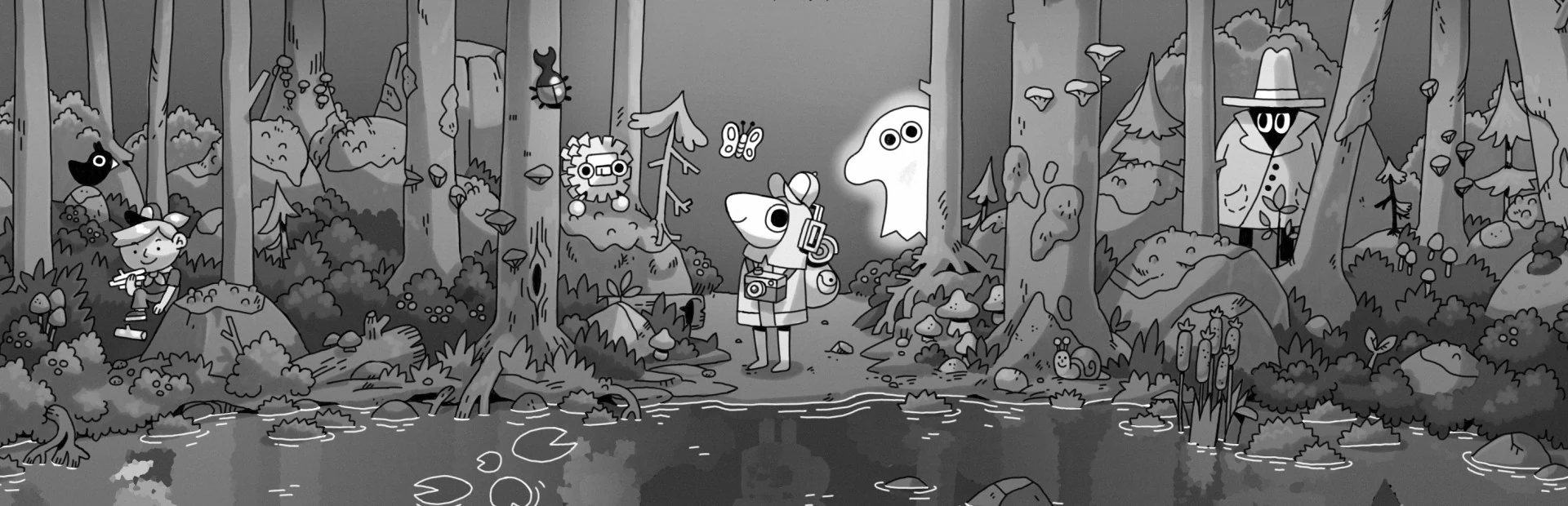
TOEM makes photography useful without turning it into a technical simulation. Its small scenes reward patient observation, and the modest scale keeps the search for a subject pleasantly focused.
Game facts
- Developer
- Something We Made
- Publisher
- Something We Made, popagenda
- Released
- 17 September 2021
- Platforms
- Windows · macOS · Linux (Steam edition)
- Model
- Paid game
- PEGI
- 3 — Nintendo Switch edition; not a separate PC classification
- Players
- Single-player
- Length
- Short
- Difficulty
- 1 / 5 · Gentle
- Steam Deck
- Verified
PEGI source ↗ · Steam Deck status source ↗
Edition: Base game
The score, explained
The interest and responsiveness of the core decisions and actions.
How progression, exploration and goals fit together.
The coherence of the visual, musical and narrative presentation.
How clearly the game explains its rules and offers useful ways to engage.
The depth of optional goals, alternative approaches and reasons to return.
The First Hours
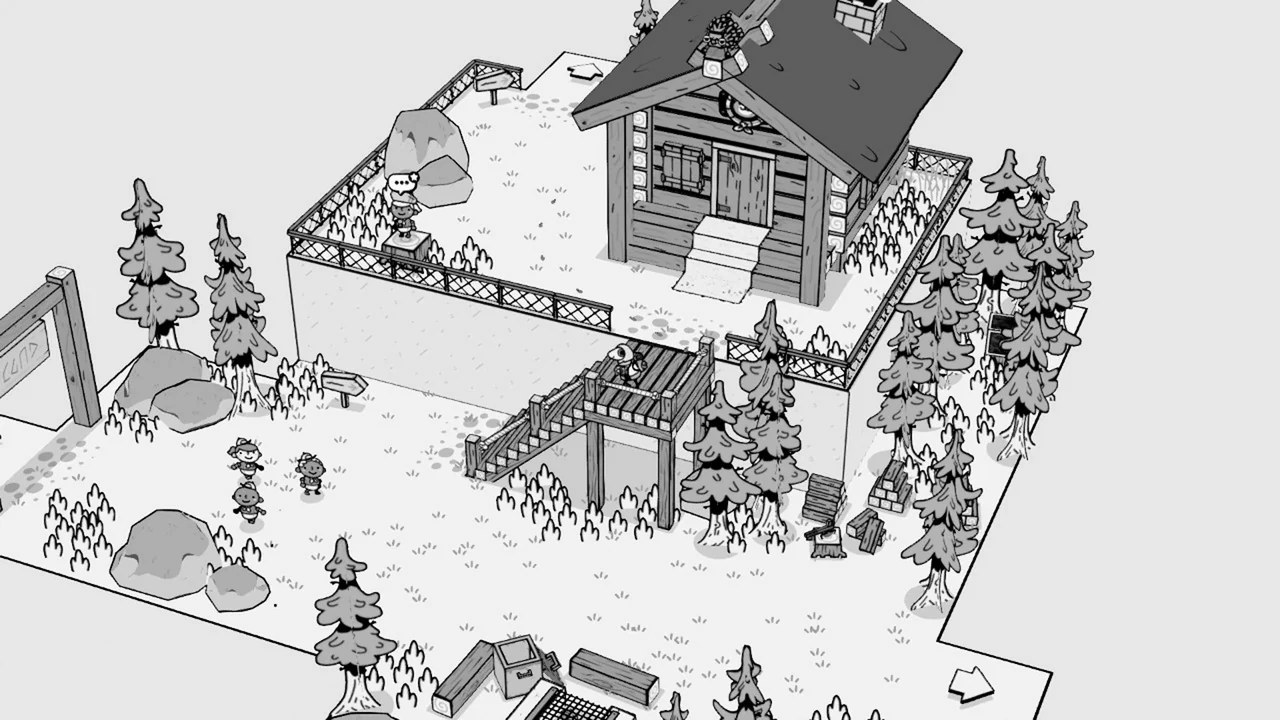
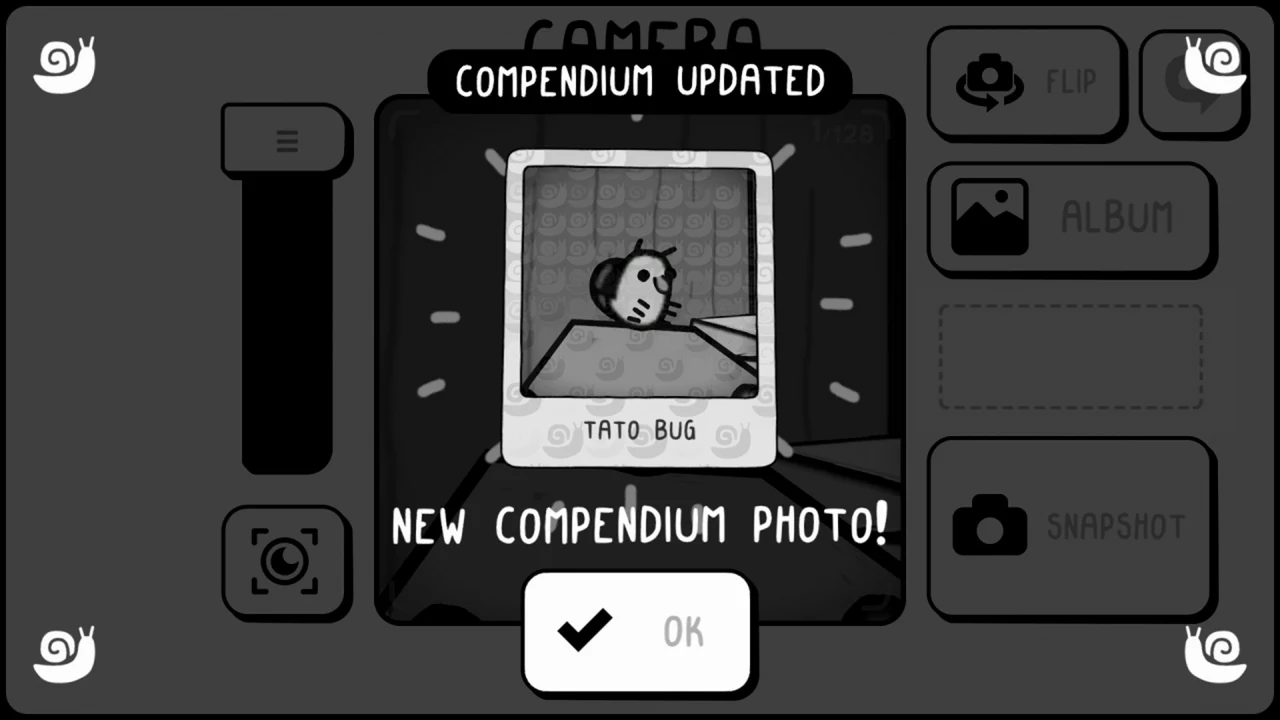
TOEM sends you travelling with a camera, a modest collection of belongings and an invitation to notice what is happening nearby. The world is explored from an overhead perspective, while raising the camera changes how a scene is examined. Characters ask for photographs or help with small problems, and completing tasks earns the progress needed to move onwards. That structure encourages a particular kind of attention. An animal at the edge of the scene, an unusual silhouette or a detail partly hidden by another object may be the useful discovery. The controls remain approachable because the challenge is usually identifying the subject or viewpoint rather than executing a difficult input. The opening quickly establishes photography as the main tool for participating in the world.
Why It Works
The strongest tasks make a familiar place worth looking at again. A request can give new meaning to scenery you previously treated as decoration, while the camera invites a closer examination of the same space. TOEM benefits from keeping its environments compact enough that searching remains manageable. Its monochrome drawing style also gives characters and objects a clear identity without filling the view with competing colour cues. Progress through tasks creates a gentle sense of accumulation, but the game does not need a complicated upgrade tree to make the camera useful. This is a good example of an independent design choosing a small interaction and building an entire journey around it. The charm follows from that interaction as much as from the amusing characters.
Where It Stumbles
The same clarity that makes TOEM inviting also limits its depth. Once the required subject or perspective has been understood, many tasks have little left to reveal on another visit. The adventure does not keep adding systems at the rate of a larger puzzle game, and the camera is not intended to satisfy an appetite for elaborate photographic controls. Some searches can also turn into a slow scan of a scene when the clue has not suggested the right interpretation. That is a different kind of friction from difficult platforming, but it can still interrupt the otherwise gentle rhythm. The main journey is deliberately compact, so readers who measure value chiefly through a long sequence of new mechanics should adjust their expectations accordingly.
Who Should Play It
Add TOEM to the shortlist if observation sounds more appealing than combat or complex management. It works particularly well as a change of activity from games that demand constant reactions: the useful question is often what you have overlooked, not whether you pressed a button quickly enough. The small scope is an advantage when you want a journey with a clear shape and an attainable ending. It is less suitable if you want a camera system with extensive technical options or a world that changes dramatically across repeated visits. Within an indie collection, its role is clear. TOEM offers a focused, approachable example of how giving the player a reason to look can make a modest environment feel full of possibilities.
The verdict
TOEM makes photography useful without turning it into a technical simulation. Its small scenes reward patient observation, and the modest scale keeps the search for a subject pleasantly focused.
Reasons to play
- Camera tasks make environmental details matter
- Small connected scenes support easy exploration
- A simple monochrome style helps identify subjects
Reasons to think twice
- Solved tasks have limited surprise on a return visit
- Players wanting substantial mechanical escalation may find it slight
See the game
Assist & accessibility
Parents’ guide
Players: Single-player. No in-game purchase marker in the checked Steam listing. Separate downloadable content may be sold.
Age classification: 3. Nintendo Switch edition; not a separate PC classification
A useful starting tip
Treat each character's request as a clue about what to observe, then look beyond the most obvious subject before taking the photograph.
A different direction
Compare this with Chants of Sennaar: Chants of Sennaar makes understanding other people the central form of progress. Its notebook turns uncertain observations into testable language hypotheses, giving patient deduction a clear structure.
Official sources
Reviewed: November 2026
You might also like
 DorfromantikRead review →
 PentimentRead review →
 CupheadRead review →
REFERENCE CARD