Jusant
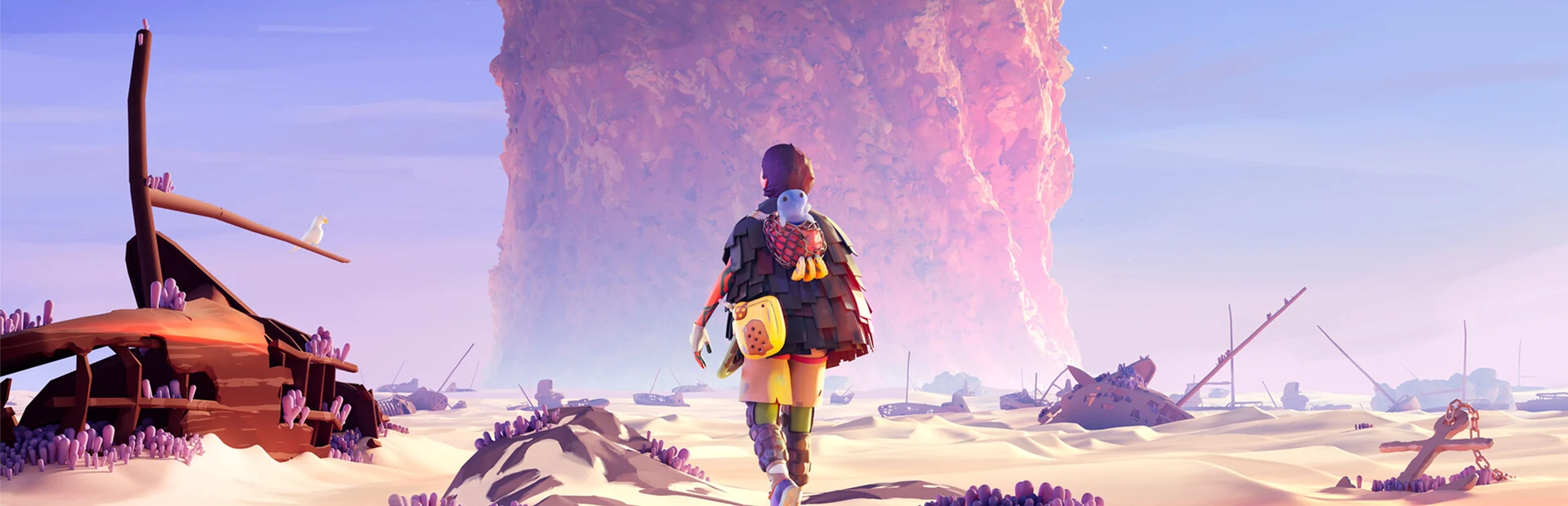
Jusant makes climbing a complete subject rather than a shortcut between objectives. Hand placement, stamina and rope use give the tower a practical identity, while its changing spaces explain why continuing upwards matters.
Game facts
- Developer
- DON'T NOD
- Publisher
- DON'T NOD
- Released
- 31 October 2023
- Platforms
- Windows (Steam edition)
- Model
- Paid game
- PEGI
- 3 — Xbox UK edition edition; not a separate PC classification
- Players
- Single-player
- Length
- Short
- Difficulty
- 3 / 5 · Approachable
- Steam Deck
- Verified
PEGI source ↗ · Steam Deck status source ↗
Edition: Base game
The score, explained
The interest and responsiveness of the core decisions and actions.
How progression, exploration and goals fit together.
The coherence of the visual, musical and narrative presentation.
How clearly the game explains its rules and offers useful ways to engage.
The depth of optional goals, alternative approaches and reasons to return.
The First Hours
Jusant starts by making the surface in front of you matter. The route upwards depends on reachable handholds, stamina and how you use the rope, rather than simply locating the next obvious jump. Separate grip controls make the alternating movement of a climb more tangible, while securing the route encourages planning before an exposed stretch. The companion travelling with you and the traces left around the tower broaden the context, but climbing remains the activity through which that context is discovered. Early sections teach a useful rhythm of examining a wall, choosing a line and pausing where the route allows. This is a traversal adventure whose main subject is the process of moving through a place, rather than arriving quickly enough to start something else.
Why It Works
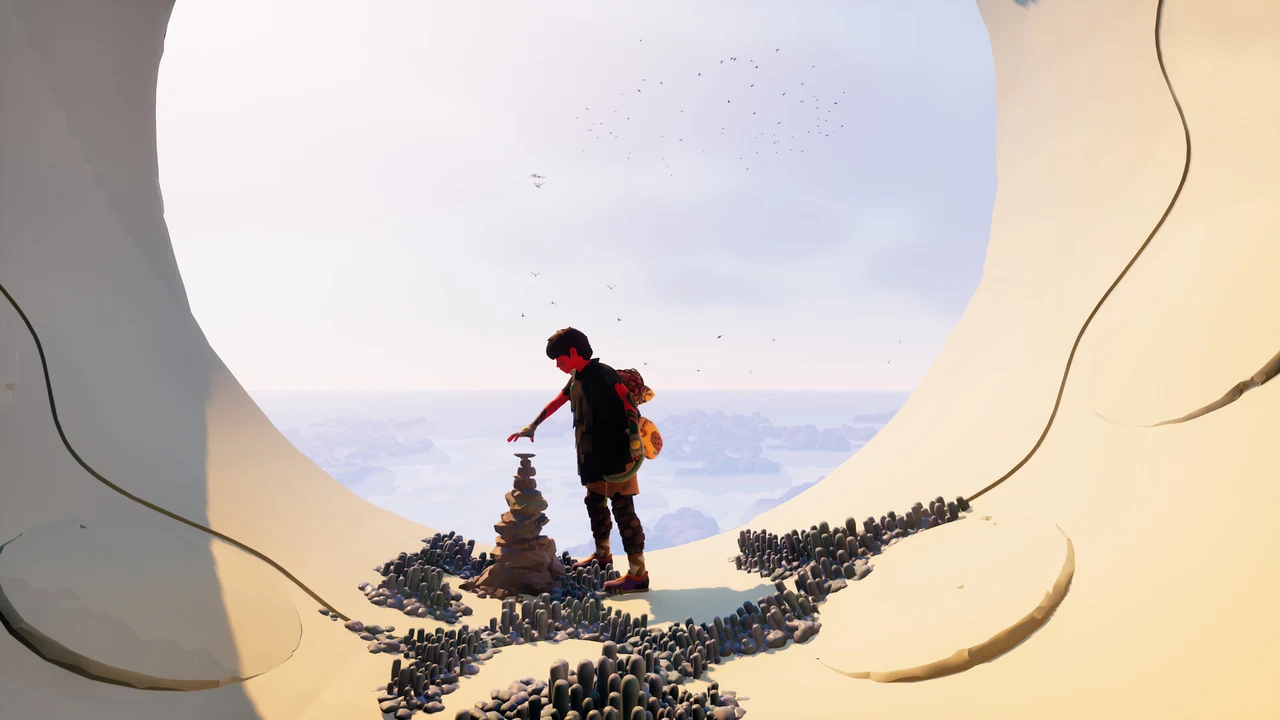
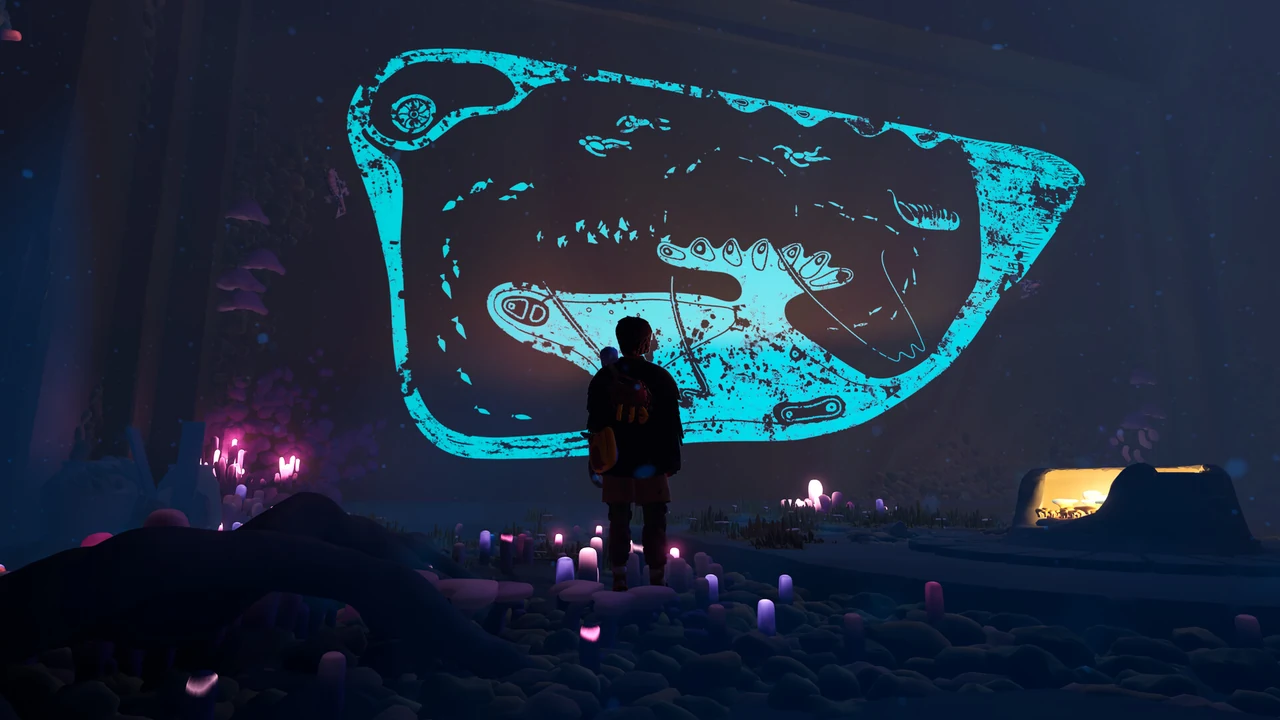
The tower is an effective organising idea because almost every view also implies a route. A ledge, crack or unfamiliar surface can be attractive scenery and the next practical problem at the same time. Rope use gives the player a way to think about a climb before committing to it, while changing environments prevent the ascent from becoming one uninterrupted stretch of similar rock. The remnants of previous inhabitants also work well within this structure. Discovering how people once occupied the tower gives a pause or detour a reason beyond collecting an abstract reward. Jusant's coherence comes from keeping these activities close together: the environment supplies the story, the route through it and the decisions that make the climb feel like an undertaking.
Where It Stumbles
A concentrated design can also feel narrow. Anyone who regards climbing as an occasional ingredient in a larger adventure may find that Jusant places more weight on it than they want. There are changes of surface and situation, but the repeated act of reading a route remains fundamental. Grip and rope inputs can take some adjustment if your expectations come from games with heavily automated traversal. The setting's height is another genuine consideration: exposed viewpoints are central to the visual effect, so discomfort with heights is relevant to the choice. Finally, the story asks you to notice environmental traces rather than waiting for constant dialogue to explain their significance. Readers seeking a busy plot or frequent combat will not find those activities replacing the ascent.
Who Should Play It
Choose Jusant if route finding can hold your attention without an enemy at the far end of every ledge. It is a good fit for players who like the physical logic of traversal and want scenery to influence their decisions, rather than serve only as a reward for reaching a waypoint. The focused structure is useful when you want a defined journey without a large character-build system to manage. It is a weaker choice if climbing already feels like the part of an adventure you rush through. The important distinction is that Jusant makes this movement the main event. Its recommendation rests on your interest in that activity, supported by a tower whose changing environments and abandoned spaces give each new route a sense of place.
The verdict
Jusant makes climbing a complete subject rather than a shortcut between objectives. Hand placement, stamina and rope use give the tower a practical identity, while its changing spaces explain why continuing upwards matters.
Reasons to play
- Climbing decisions connect movement to the landscape
- Rope tools support deliberate route planning
- Environmental details give the ascent narrative texture
Reasons to think twice
- The central activity remains specialised
- Height and exposed routes may be uncomfortable for some players
See the game
Assist & accessibility
Explore the available settings and control options on the official game page before choosing your setup.
Parents’ guide
Players: Single-player. No in-game purchase marker in the checked Steam listing. Separate downloadable content may be sold.
Age classification: 3. Xbox UK edition edition; not a separate PC classification
A useful starting tip
Look for a workable sequence of holds and resting opportunities before committing to the next stretch of climbing.
A different direction
Compare this with Sable: Sable gives discovery a personal direction without making it an urgent mission. Its climbing, hoverbike travel and masks support a journey about choosing where to go and what kind of identity to bring back.
Official sources
Reviewed: November 2026
You might also like
 DorfromantikRead review →
 PentimentRead review →
 CupheadRead review →
REFERENCE CARD